
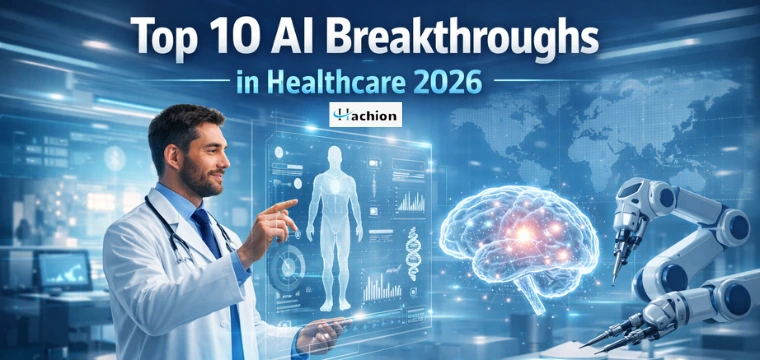
Top 10 AI Breakthroughs in Healthcare 2026
AI in Healthcare 2026: A New Era of Medical Innovation
The rise of AI in healthcare in 2026 is not just a trend; it’s a transformation that is redefining how we diagnose, treat, and prevent diseases. From smart algorithms that detect illnesses early to robotic surgeries with unmatched precision, artificial intelligence is changing lives faster than ever before.
In AI in healthcare 2026, patients are experiencing faster diagnoses, personalized treatments, and improved outcomes. Healthcare systems across the United States and globally are embracing AI to reduce costs, improve efficiency, and deliver better care. This shift is not in the future; it’s happening right now.
Why AI in Healthcare 2026 Matters More Than Ever
Healthcare has always been a critical part of human life, but with an increasing population and complex diseases, traditional systems are under pressure. This is where AI in healthcare 2026 becomes a game-changer.
AI helps doctors make faster decisions, reduces human error, and brings advanced care to even remote areas. It bridges the gap between technology and human expertise, making healthcare more accessible and reliable.
Top 10 AI Breakthroughs in Healthcare That Will Change Your Life in 2026
1. Early Disease Detection with AI: AI-powered tools can now detect diseases like cancer, heart conditions, and neurological disorders at an early stage, often before symptoms appear.
2. AI-Powered Medical Imaging: Advanced imaging systems analyze X-rays, MRIs, and CT scans with incredible accuracy, helping doctors diagnose conditions faster and more precisely.
3. Personalized Treatment Plans: AI analyzes patient data to create customized treatment plans based on genetics, lifestyle, and medical history.
4. Robotic Surgery Advancements: AI-assisted robots are improving surgical precision, reducing recovery time, and minimizing risks during complex procedures.
5. Virtual Health Assistants: AI chatbots and assistants provide 24/7 support, helping patients schedule appointments, manage medications, and get basic medical advice.
6. Drug Discovery and Development: AI is speeding up the process of discovering new drugs, reducing years of research into months.
7. Predictive Analytics for Patient Care: Hospitals use AI to predict patient outcomes, helping prevent complications and improve care quality.
8. Remote Patient Monitoring: Wearable devices powered by AI track health data in real time, allowing doctors to monitor patients remotely.
9. AI in Mental Health Support: AI tools are helping identify mental health issues early and providing support through digital platforms.
10. Administrative Automation: AI is reducing paperwork and administrative tasks, allowing healthcare professionals to focus more on patient care.
How AI in Healthcare 2026 Impacts Everyday Life
The impact of AI in healthcare in 2026 goes beyond hospitals. It affects how individuals manage their health daily. From fitness trackers to AI-driven apps, people now have more control over their well-being.
Patients can receive medication reminders, track vital signs, and even consult with doctors virtually. This level of convenience and accessibility is transforming healthcare into a more patient-centered system.
Challenges and Ethical Considerations
While the benefits of AI in healthcare in 2026 are impressive, there are also challenges to address. Data privacy, security, and ethical concerns remain important issues.
Healthcare providers must ensure that AI systems are transparent, unbiased, and secure. Building trust between technology and patients is essential for long-term success.
The Future of AI in Healthcare 2026 and Beyond
Looking ahead, AI in healthcare in 2026 will continue to evolve with innovations such as predictive medicine, advanced robotics, and real-time diagnostics. The integration of AI with technologies like IoT and big data will further enhance healthcare systems.
The future promises a world where diseases are detected earlier, treatments are more effective, and healthcare is accessible to everyone.
Build Your Career in AI and Healthcare
As AI continues to transform industries, there is a growing demand for skilled professionals in AI, data science, and healthcare technology.
Hachion Online Training offers industry-focused IT courses designed to help you build a successful career in this fast-growing field. Whether you’re a beginner or a professional, enrolling in the right program can open doors to exciting opportunities in AI-driven healthcare.
Frequently Asked Questions (FAQs)
1. What is AI in healthcare?
A: AI in healthcare refers to the use of artificial intelligence technologies to analyze medical data, assist in diagnosis, and improve patient care.
2. How is AI used in healthcare in 2026?
A: In 2026, AI is used for early disease detection, robotic surgeries, personalized treatments, and remote patient monitoring.
3. Is AI replacing doctors?
A: No, AI is not replacing doctors. It is supporting them by providing better insights and improving decision-making.
4. How does AI benefit the healthcare industry?
A: The main benefits include faster diagnosis, reduced errors, personalized care, and improved patient outcomes.
5. Is AI in healthcare safe?
A: AI systems are designed to be safe, but proper data security and ethical guidelines are necessary to ensure patient trust.
6. How can I start a career in AI healthcare?
A: You can start by learning AI, data science, and healthcare technologies through professional training programs like Hachion Online Training.


