
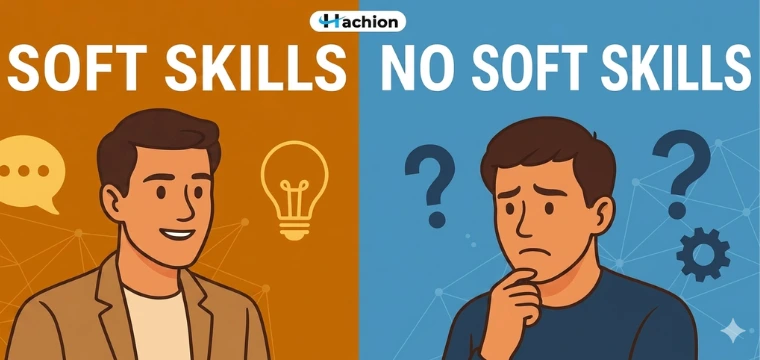
Why 85% of U.S. Employers Now Prioritize Soft Skills Over Degrees
A Real Story That Changed My Perspective
A few months ago, I met a young graduate — let’s call him Arjun. He had just completed his B.Tech in Computer Science, full of energy, ideas, and technical brilliance. When he got an interview call from a reputed IT company, his excitement was sky-high. He cleared the first round without breaking a sweat. The second was a technical round, where the interviewer handed him five coding questions. Arjun answered every single one correctly line by line, concept by concept. Naturally, he walked out smiling, confident he had nailed it. But when the results came out, he wasn’t selected. Confused and disappointed, he asked for feedback.
The recruiter’s words were short but unforgettable:
“You have the knowledge, but you couldn’t communicate it confidently.” That one sentence stayed with me. It wasn’t Arjun’s lack of intelligence that cost him the job — it was his lack of soft skills. He had the degree. He had the answers. But he couldn’t express his ideas with confidence, clarity, or conviction — and that made all the difference.
The Unspoken Truth: Knowledge Alone Isn’t Enough
In today’s job market — especially in the United States — degrees and certifications might open doors. But what truly keeps those doors open is how you present yourself.
Research now shows that 85% of U.S. employers prioritize soft skills — like communication, teamwork, adaptability, and emotional intelligence — over hard skills or even academic qualifications.
Why? Because in a world that’s constantly changing, technical skills can expire. What you learn today might not be relevant tomorrow.
But your ability to connect with people, solve problems creatively, and lead with confidence — that never goes out of demand.
Across industries — from Silicon Valley startups to Fortune 500 companies — professionals who master the art of communication and collaboration are the ones who thrive.
What Are Soft Skills — And Why Do They Matter So Much?
Soft skills are the invisible strengths that shape your success. They’re not about what you know — but about how effectively you use what you know. Here are a few core soft skills every professional needs:
- Communication: The art of expressing ideas clearly and persuasively.
- Confidence: Believing in yourself and your abilities without arrogance.
- Body Language: Using eye contact, posture, and gestures to show professionalism.
- Active Listening: Understanding before responding — essential for teamwork.
- Emotional Intelligence: Managing emotions and connecting empathetically with others.
Imagine this:
Two candidates attend the same interview. Both are equally skilled and knowledgeable. One speaks with confidence, maintains a calm smile, and builds a genuine connection with the interviewer. The other answers correctly but sounds unsure, avoids eye contact, and looks nervous.
Who do you think the recruiter picks?
Exactly — the one who communicates confidence.
That’s the real power of soft skills — they bring your technical strengths to life.
Why U.S. Employers Value Soft Skills More Than Ever
Over the past few years, the U.S. workplace has evolved dramatically.
With remote work, cross-cultural teams, and AI-driven collaboration tools, the need for human connection has never been higher.
Companies are no longer just hiring employees who “get the job done.”
They’re looking for professionals who can lead discussions, communicate across cultures, adapt quickly, and solve problems under pressure.
A LinkedIn Global Talent Trends Report revealed that 92% of U.S. hiring managers believe soft skills are as important or more important than technical skills.
Why? While coding, analytics, or finance can be taught, qualities like confidence, communication, and leadership are harder to develop without proper guidance.
That’s why candidates who invest in building soft skills often:
Perform better in interviews
- Handle workplace challenges more effectively
- Grow faster into leadership roles
- Soft skills are no longer a “bonus.”
- They’re the foundation of professional success.
Confidence: The Hidden Power Behind Every Successful Interview. When you walk into an interview, before you even say a word, your body language, eye contact, and tone of voice speak for you.
- Confidence isn’t arrogance. It’s quiet self-assurance — the ability to express your thoughts clearly and calmly, even when nervous.
- Many technically brilliant candidates lose opportunities because they prepare what to say but not how to say it.
- They memorize answers but forget to convey their personality.
- They focus on content, but not on delivery — and that’s where they lose the game.
- Interviewers don’t just evaluate what you know; they assess how you’ll communicate with clients, collaborate with teams, and handle pressure.
- That’s why confidence, clarity, and composure are as crucial as your technical expertise.
My Takeaway: 80% of Success Comes from Soft Skills
In my experience, nearly 80% of candidates lose opportunities not due to a lack of technical knowledge, but because they fail to represent it confidently. Your degree may open doors, but your soft skills help you walk through them with grace.
When you combine technical ability with communication, empathy, and professionalism, you don’t just become employable — you become unforgettable.
Frequently Asked Questions (FAQs)
1. Why are U.S. employers giving more importance to soft skills than degrees?
A: Because knowledge alone isn’t enough anymore. Technology keeps evolving, and what’s “in demand” today might change tomorrow. But soft skills like communication, adaptability, and teamwork never go out of style. Employers have realized that people who can collaborate, lead, and communicate effectively bring lasting value to any organization — something a degree alone can’t guarantee.
2. What exactly are soft skills?
A: Soft skills are your personal and people skills — the qualities that define how you interact, think, and work with others. They include communication, emotional intelligence, problem-solving, confidence, teamwork, and professionalism. In short, they represent the human side of success that enhances your technical abilities.
3. Can soft skills really help me get hired?
A: Absolutely! Studies show that candidates with great communication and confidence often perform better in interviews than technically stronger candidates. Employers are looking for people who can represent their company well, interact positively with clients, and contribute to a healthy team culture — and that all begins with strong soft skills.
4. Which matters more in today’s job market — soft skills or technical skills?
A: Both are essential, but soft skills are what set you apart. Technical skills get your foot in the door — they qualify you for the job. Soft skills, however, help you keep the job and grow within it. Think of it this way: hard skills may earn you the interview, but soft skills win you the offer.
5. How can I improve my communication and confidence for interviews?
Practice makes progress! Start by recording yourself speaking — notice your tone, body language, and clarity. Focus on expressing ideas naturally instead of memorizing answers. For guided learning, you can join Hachion’s Soft Skills Training Program, which helps you build real confidence through interactive sessions, storytelling techniques, and practical communication exercises.
6. Why are soft skills critical for professionals in the U.S. job market?
In the U.S., workplaces thrive on collaboration, leadership, and adaptability — especially in diverse, remote, and cross-cultural environments. Employers expect more than technical ability; they want professionals who can communicate clearly, think critically, and bring a positive mindset to the team. That’s why soft skills are often the deciding factor between two equally qualified candidates.
7. Can soft skills be learned, or are they natural traits?
A: Soft skills are absolutely learnable! While some people may naturally be confident or empathetic, anyone can develop these qualities through awareness, practice, and feedback. Like any skill, consistent effort and real-world application make all the difference.
8. What does Hachion’s Soft Skills Training Program offer?
A: Hachion’s program is designed to help you master real-world communication. It covers interview skills, public speaking, emotional intelligence, teamwork, and leadership. You’ll learn how to express ideas clearly, handle challenges confidently, and present yourself as a strong, well-rounded professional — ready for U.S. workplace success.
9. Who can benefit from soft skills training?
A: Everyone! Whether you’re a student stepping into your first interview, a professional eyeing a promotion, or an entrepreneur managing teams, soft skills are your biggest asset. They help you connect, influence, and grow — no matter your career stage or industry.
10. How do soft skills impact career growth in 2025 and beyond?
A: As AI and automation continue to transform industries, human skills — empathy, creativity, communication, and leadership — are becoming priceless. The professionals who master these traits will not just keep up with change but lead it. In the years to come, those who combine intelligence with emotional awareness will be the true leaders of innovation and success.
The Future Belongs to Communicators
In a world powered by AI, automation, and data, what truly sets humans apart is the ability to connect. Machines can analyze numbers. But only humans can inspire trust, tell stories, and build relationships. That’s why the leaders of tomorrow — whether in tech, business, or education — will be the ones who combine technical mastery with emotional intelligence.
Whether you’re just starting your career or aiming for leadership, remember this:
- Soft skills are not optional. They’re your career accelerator.
- Ready to Build the Skills That Employers Really Value?
If you’re serious about career growth, don’t just upgrade your tools — upgrade yourself. Because your personality, communication, and confidence are what make you stand out in a competitive world. And that’s where Hachion can help.
Enroll in Hachion’s Soft Skills Training Program — a practical, hands-on learning experience designed to help you:
- Speak with confidence in interviews and meetings
- Improve your presentation and storytelling skills
- Strengthen teamwork, leadership, and workplace etiquette
- Develop emotional intelligence and communication for the U.S. job market.
In 2025, the most successful professionals won’t be the ones who just know — they’ll be the ones who can communicate, inspire, and connect effectively.
So don’t wait for opportunities to find you — create them with the right skills.
👉 Enroll in Hachion’s Soft Skills Course today and make your career shine brighter than ever. Let your communication become your confidence — and your confidence become your career.


